Five Years On: Celebrating the Pioneers of CRISPR/Cas9
On October 7th 2020, Professors Jennifer Doudna and Emmanuelle Charpentier made history by winning the Nobel Prize in Chemistry, the first time that two women had shared the prize without male co-recipients.
5 years on, their discovery of CRISPR/Cas9, a revolutionary gene editing tool with the ability to precisely alter DNA, has offered hope for the treatment of genetic diseases, cancer and even antimicrobial resistance [1].
Their story is fuelled by curiosity, collaboration and courage. The combination of Charpentier’s early work on bacterial
immunity and Doudna’s expertise in RNA has bridged a partnership spanning geographic and scientific borders to
reveal this powerful and transformative tool in molecular
biology. Today, the impact of their work is still being
explored and continues to ripple across disciplines including biotechnology, agriculture and medicine [2].
The Nobel Prize has noted that just 66 of the 195 winners of the Nobel Prize in Chemistry are women [3]. Honouring Jennifer Doudna and Emmanuelle Charpentier five years ago was a powerful step forward and I hope to see many more brilliant women celebrated in the years to come!

References:
[1] Azeez, S.S., Hamad, R.S., Hamad, B.K., Shekha, M.S. and Bergsten, P. (2024) Advances in CRISPR-Cas technology and its applications: revolutionising precision medicine. Frontiers in Genome Editing, 6. doi: https://doi.org/10.3389/fgeed.2024.1509924.
[2] Ansori, A.N., Antonius, Y., Susilo, R.J., Hayaza, S., Kharisma, V.D., Parikesit, A.A., Zainul, R., Jakhmola, V., Saklani, T., Rebezov, M., Ullah, M.E., Maksimiuk, N., Derkho, M. and Burkov, P. (2023) Application of CRISPR-Cas9 genome editing technology in various fields: A review. Narra J [online] 3(2), pp.e184–e184. doi: https://doi.org/10.52225/narra.v3i2.184.
[3] The Nobel Prize (2019). Nobel Prize awarded women. [online] NobelPrize.org. Available at: https://www.nobelprize.org/prizes/lists/nobel-prize-awarded-women/.
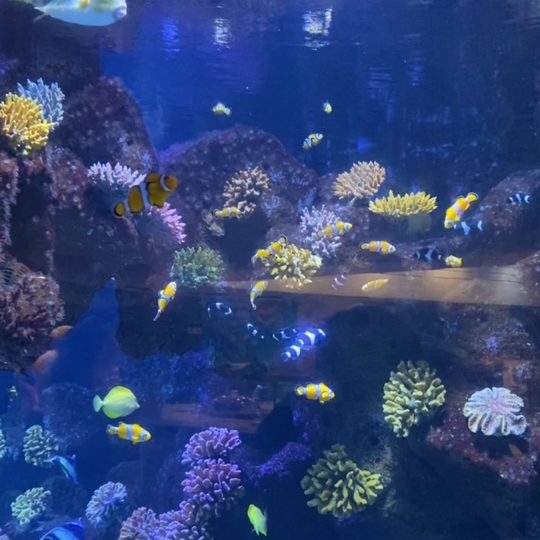
Ocean with David Attenborough: A Short Film Review
On his 99th birthday, Sir David Attenborough’s documentary titled “Ocean with David Attenborough” was released in cinemas which I was thrilled to watch.
As an avid viewer of his documentaries (and huge fan) I felt compelled to write a short review on this significant film which was four years in the making.
Sir David takes us through his journey of ocean
exploration and enthusiastically describes this as a “sensory overload of life and diversity” reflecting on his first experience of scuba diving in the ocean.
Throughout the film, we are introduced to some of the beautiful and remarkable creatures that inhabit it, as well as those relying on the oceans to sustain their food sources, including humans.
Whilst the film is visually stunning, we are of course reminded of how we’re exploiting and
destroying the ocean. For some time now, industrial overfishing and coral bleaching, caused by rising sea temperatures as a result of climate change, have been major disruptors to the growth and diversity of ocean species.
However, one of the most poignant moments of the film for me was the impact of sea dredgers on ocean health. These are fishing devices that capture seabed-dwelling species whilst simultaneously
destroying everything in their path. Not only do they ravage the seabed, but also release carbon
dioxide, a major contributor to ocean acidification.
Fortunately, we are reassured to hear that there is hope and the wounds from these traumatic events can be healed, space and time being the key
ingredients for recovery. Nevertheless, we must continue to raise awareness of and limit key ocean disruptors, educate ourselves on ocean conservation and take collective action within our local communities to restore ocean health.
In summary, this captivating film is a reflection of how important oceans are at sustaining life and also a call to action to restore and maintain these vital marine ecosystems.
The film Ocean with David Attenborough is in cinemas in May for a limited time only and this is due to be released in June on streaming services.
In the meantime, explore the Marine Conservation Society’s website to see how you can make an impact.
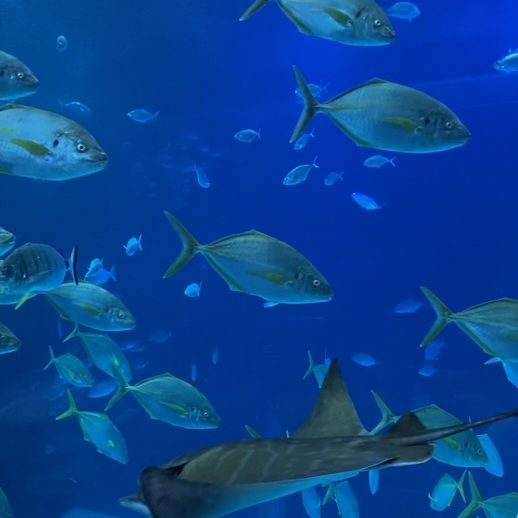
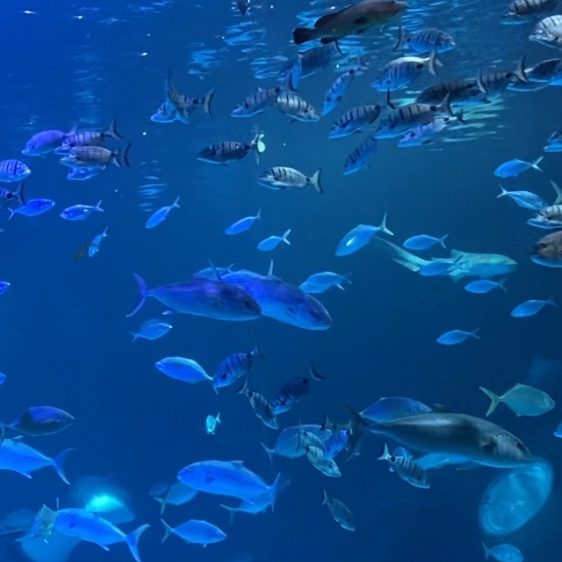
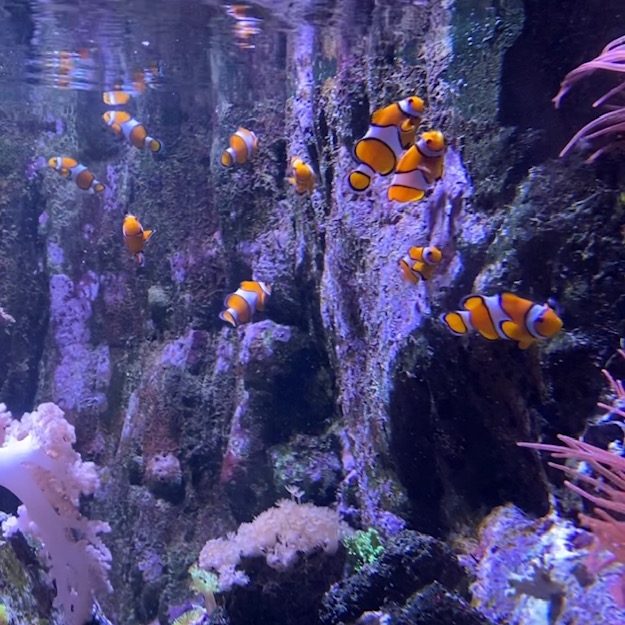
All images were photographed and sourced by Meera